

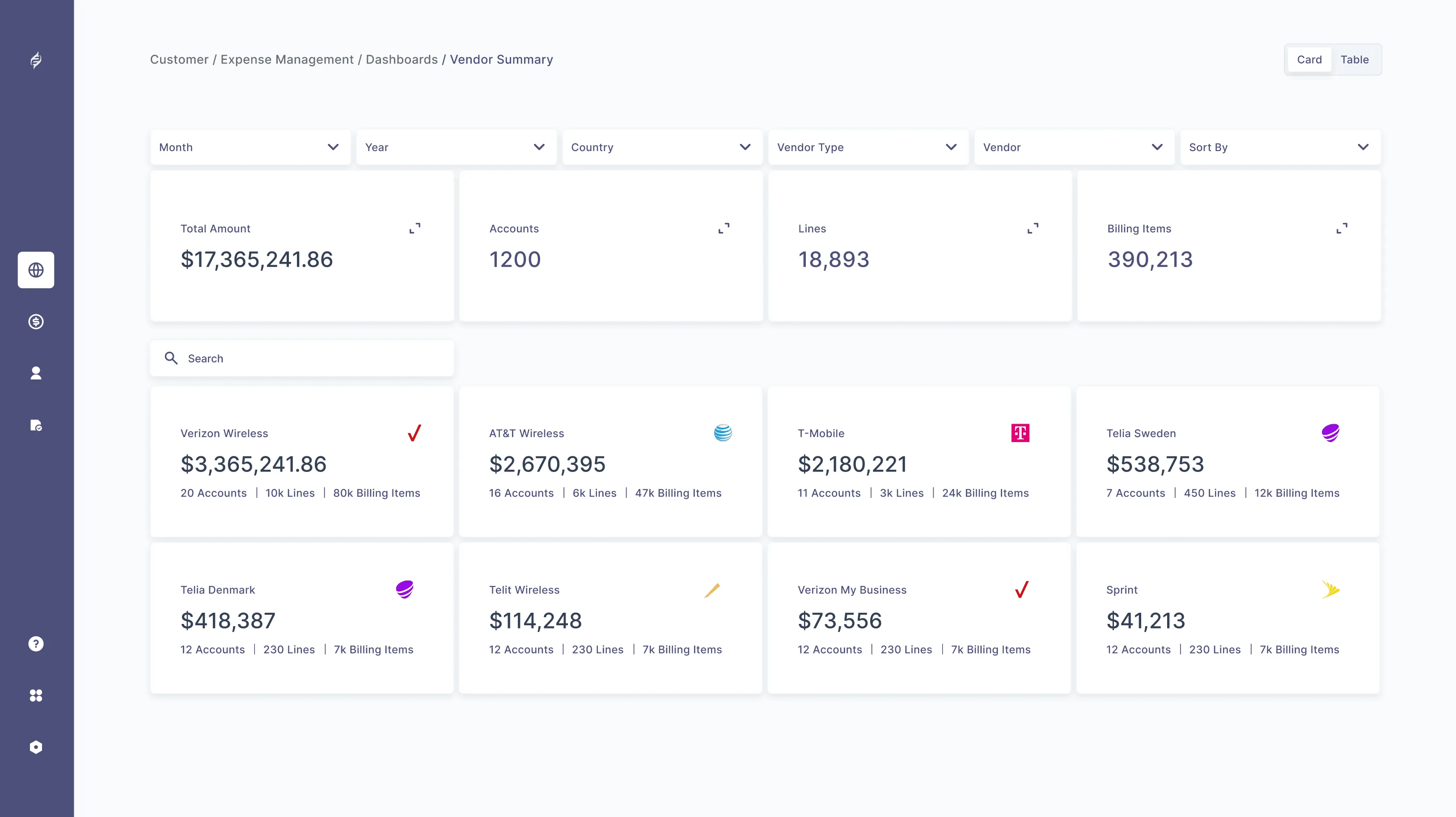
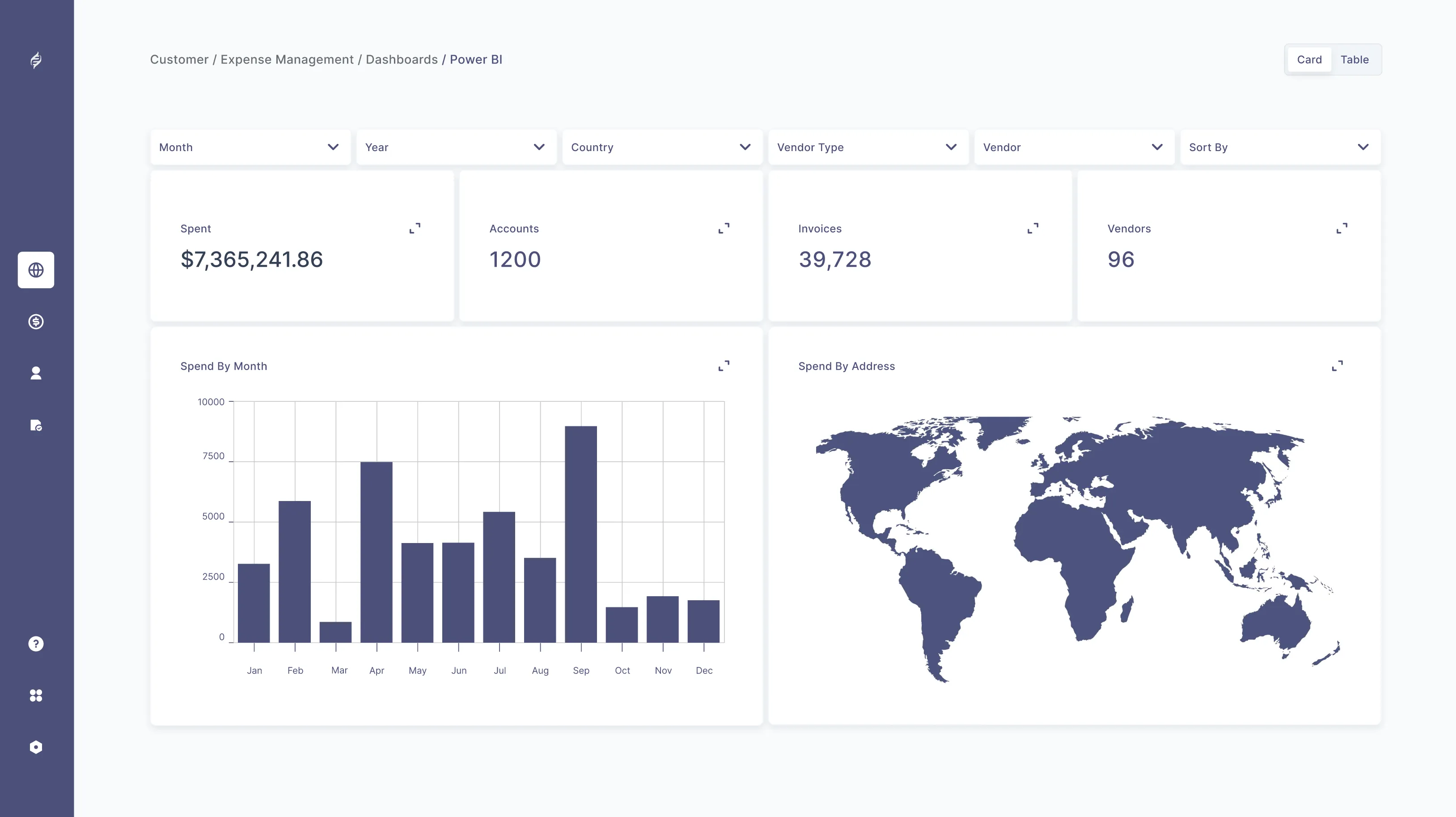
Asignet SaaS Expense Management helps organizations control, optimize, and automate their software‑as‑a‑service spending across the entire application landscape. The platform centralizes visibility into subscriptions, usage, contracts, and renewal cycles.

Vendor
Asignet

Company Website
SaaS Expense Management
Asignet SaaS Expense Management helps organizations control, optimize, and automate their software‑as‑a‑service spending across the entire application landscape. The platform centralizes visibility into subscriptions, usage, contracts, and renewal cycles. With automation, analytics, and real‑time insights, it enables companies to eliminate waste, avoid shadow IT, reduce redundant licenses, and ensure that SaaS investments match actual business needs while strengthening governance and financial accountability.
Features
- Centralized dashboard for all SaaS subscriptions and contract details.
- Automated discovery of applications, users, and license consumption.
- Renewal calendar with alerts and lifecycle tracking.
- Cost and usage analytics for identifying redundant or unused tools.
- Policy‑based governance for access, lifecycle, and spending controls.
- Workflow automation for approvals, assignments, and deprovisioning.
Capabilities
- Analyze SaaS usage data to determine underused or unnecessary licenses.
- Provide real‑time insights into cost drivers and utilization trends.
- Support IT, finance, and procurement teams with unified decision intelligence.
- Automate deprovisioning to reduce security risks and unnecessary costs.
- Map SaaS spend to departments, users, and business units for transparency.
- Integrate with identity systems and HR platforms for accurate entitlement tracking.
Benefits
- Reduced SaaS overspending through better control and license optimization.
- Higher operational efficiency from automated workflows and simplified management.
- Improved security by removing unused accounts and shadow IT applications.
- Greater financial transparency for budgeting and forecasting.
- Faster, data‑driven procurement and renewal decisions.
- Better alignment between SaaS investments and actual business needs.