

Open source .NET service bus framework for implementing asynchronous messaging and distributed communication.

Vendor
Hibernating Rhinos

Company Website
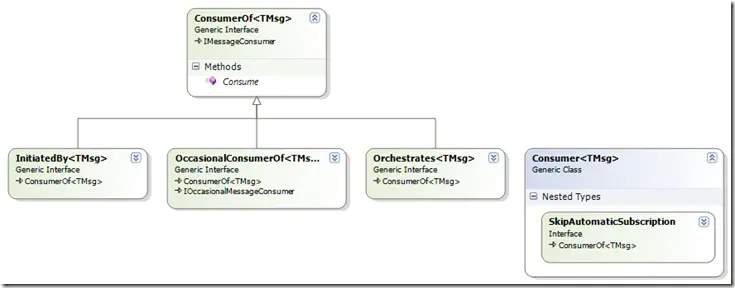
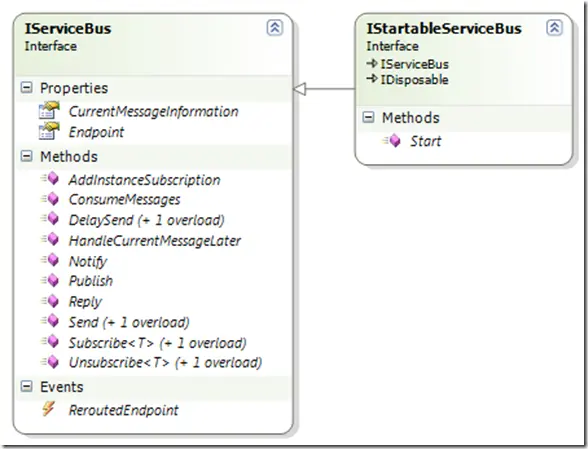
Rhino Service Bus is an open source service bus framework for the .NET platform. It is designed to support message-based communication between distributed application components. The framework provides infrastructure for sending, receiving, and processing messages across services. It enables asynchronous communication patterns, helping to decouple systems and improve scalability and reliability in distributed architectures. Rhino Service Bus integrates with message queuing technologies and supports transactional message handling. It allows developers to define message handlers that react to specific message types and implement business logic triggered by those messages. The framework is embedded into .NET applications and provides programmatic configuration of endpoints, message routing, and processing behavior. It is intended for developers building service-oriented or distributed systems that require structured messaging infrastructure.
Key Features
Asynchronous Messaging Enables non-blocking communication between services.
- Send and receive messages asynchronously
- Decouple producers and consumers
- Improve system responsiveness
- Support distributed workflows
Message Handlers Processes messages based on type.
- Define handlers per message type
- Execute business logic upon receipt
- Support multiple handlers
- Clear separation of concerns
Queue Integration Works with message queuing systems.
- Integration with MSMQ environments
- Transactional message processing
- Reliable delivery mechanisms
- Durable message storage
Transactional Support Ensures message consistency.
- Atomic message processing
- Integration with distributed transactions
- Prevent partial processing
- Support for failure recovery
Endpoint Configuration Provides control over service communication.
- Configure service endpoints
- Define routing rules
- Control message flow
- Customize processing pipelines
Benefits
Decoupled Architecture Reduces tight coupling between services.
- Independent service deployment
- Clear communication contracts
- Improved maintainability
Improved Reliability Supports fault-tolerant communication.
- Durable message queues
- Transactional guarantees
- Controlled retry behavior
Scalability Facilitates distributed system growth.
- Scale services independently
- Balance workload across handlers
- Handle asynchronous workloads
Structured Messaging Model Encourages clear communication patterns.
- Explicit message contracts
- Organized handler structure
- Predictable processing behavior
Open Source Accessibility Allows inspection and adaptation.
- Transparent implementation
- Community-driven usage
- Customizable for project needs