

Open source .NET framework for implementing ETL processes and structured data transformation workflows.

Vendor
Hibernating Rhinos

Company Website
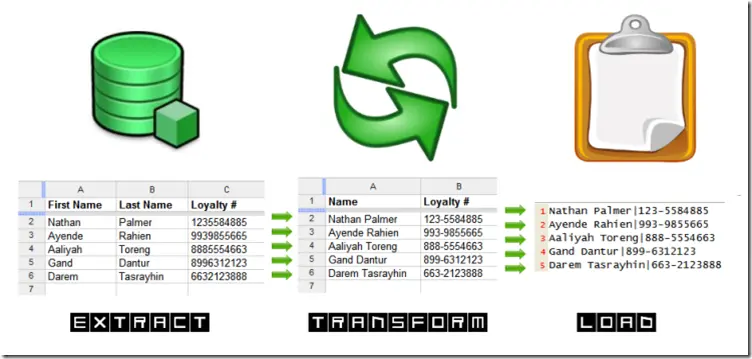
Rhino ETL is an open source Extract, Transform, Load (ETL) framework for the .NET platform. It is designed to support the development of data integration, migration, and transformation processes within custom applications. The framework provides infrastructure for defining ETL workflows in code. Developers can implement extraction from various data sources, apply transformation logic to shape and validate data, and load results into target systems such as relational databases or other storage mechanisms. Rhino ETL focuses on enabling structured and maintainable data processing pipelines. It provides reusable components for handling common ETL concerns such as batching, error handling, logging, and workflow orchestration. The framework is embedded into .NET applications and is primarily intended for developers who require programmatic control over data processing tasks rather than graphical configuration tools.
Key Features
Pipeline-Based ETL Architecture Implements structured data processing workflows.
- Define extraction, transformation, and load stages
- Chain processing steps in a defined order
- Modular workflow composition
- Clear separation of responsibilities
Custom Transformation Logic Allows flexible data manipulation.
- Implement transformations in code
- Apply validation rules
- Perform filtering and enrichment
- Map source data to target schemas
Data Source and Target Integration Supports interaction with external systems.
- Read from relational databases
- Write to relational databases
- Process structured data inputs
- Adapt to different storage systems
Batch Processing Support Handles large data volumes efficiently.
- Process records in batches
- Manage transactional boundaries
- Reduce memory consumption
- Optimize performance for bulk operations
Error Handling and Logging Provides structured operational control.
- Capture processing errors
- Log ETL activity
- Continue processing after failures (configurable)
- Support diagnostics and troubleshooting
Benefits
Structured Data Migration Facilitates organized movement of data between systems.
- Clear workflow definitions
- Reduced manual data manipulation
- Repeatable migration processes
Maintainable ETL Codebase Encourages modular implementation.
- Reusable transformation components
- Clear separation of extraction and loading logic
- Easier long-term maintenance
Programmatic Control Provides full flexibility through code.
- Customizable processing logic
- Integration with existing .NET systems
- Fine-grained control over transactions
Performance Efficiency Supports scalable data handling.
- Batch-based execution
- Optimized bulk operations
- Controlled resource usage
Open Source Transparency Offers visibility into framework internals.
- Inspectable implementation
- Community-driven usage
- Adaptable for project-specific requirements