

.NET messaging framework for building reliable, distributed, and message-driven systems.

Vendor
Particular Software

Company Website
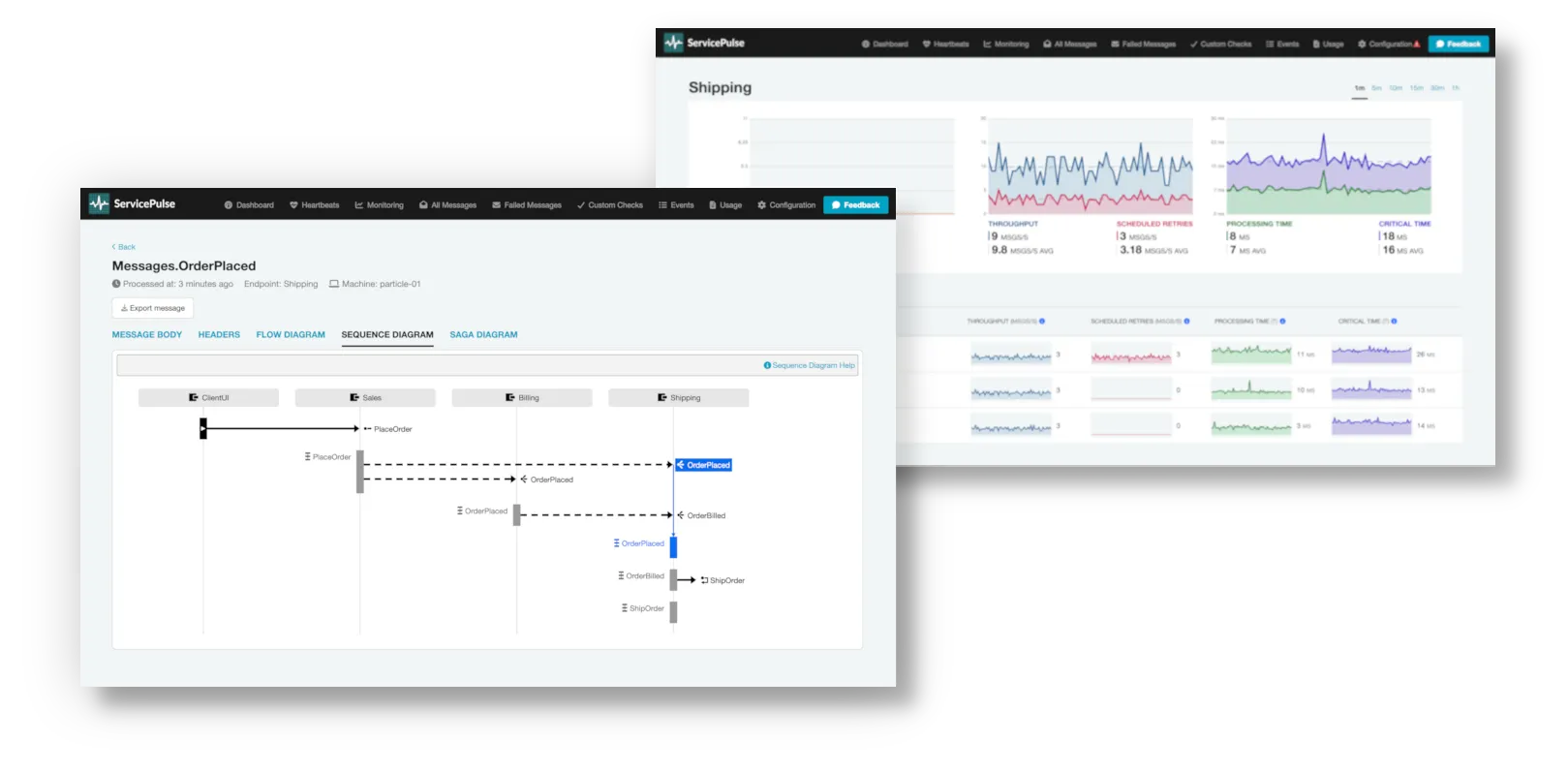
NServiceBus is a .NET-based messaging framework for building distributed and service-oriented systems. It enables applications to communicate using asynchronous messages instead of direct calls, supporting loosely coupled architectures. The framework abstracts message transport technologies and provides infrastructure for reliable message delivery, routing, retries, and failure handling. It supports integration with multiple transport systems and persistence technologies, allowing developers to choose infrastructure components appropriate to their environment. NServiceBus includes features for implementing long-running workflows through sagas, managing message versioning, handling errors, and ensuring consistency in distributed systems. It is designed to simplify the development of scalable, resilient enterprise applications built on the .NET platform.
Key Features
Message-Based Communication Supports asynchronous and decoupled interaction between services.
- Command and event messaging patterns
- Publish/subscribe support
- Point-to-point messaging
Transport Abstraction Works with different underlying message brokers.
- Integration with various queue technologies
- Pluggable transport configuration
- Infrastructure independence at code level
Reliable Messaging Ensures consistent delivery and processing.
- Automatic retries
- Error queue handling
- Transactional message processing
Sagas (Long-Running Workflows) Coordinates distributed processes.
- State management across messages
- Correlation of related events
- Compensation handling for failures
Persistence Options Supports multiple storage mechanisms.
- Message persistence
- Saga state persistence
- Timeout management storage
Serialization and Versioning Handles message formats and evolution.
- Pluggable serializers
- Message version compatibility
- Contract-based messaging
Observability and Monitoring Integration Supports insight into system behavior.
- Message tracing
- Failure diagnostics
- Integration with monitoring tools
Benefits
Improved System Decoupling Reduces tight coupling between components.
- Independent deployment of services
- Clear service boundaries
- Reduced direct dependencies
Scalability Supports horizontal scaling.
- Queue-based load distribution
- Independent service scaling
- Asynchronous processing
Resilience and Fault Handling Provides built-in failure management mechanisms.
- Automatic retries
- Dead-letter/error queues
- Distributed transaction support
Maintainability Encourages structured service design.
- Message-driven architecture
- Clear workflow modeling via sagas
- Version-tolerant message handling
Infrastructure Flexibility Allows choice of transport and persistence technologies.
- Adaptable to cloud or on-premises
- Pluggable components
- Environment-specific configuration