

Shippit Data & Reporting provides retailers with a comprehensive analytics environment that transforms shipping and fulfilment data into actionable insights. It offers a 360‑degree view of delivery operations through dynamic dashboards, granular filtering, and raw data exports.

Vendor
Shippit

Company Website

Data & Reporting
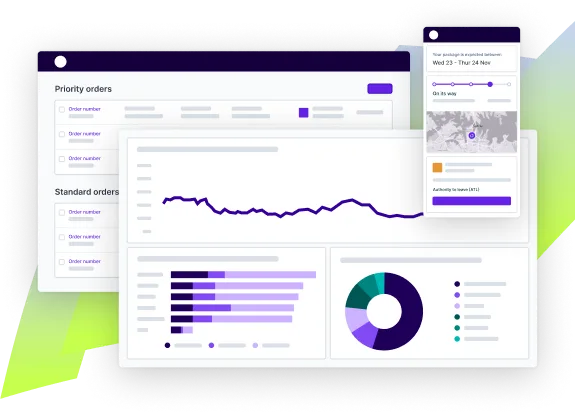
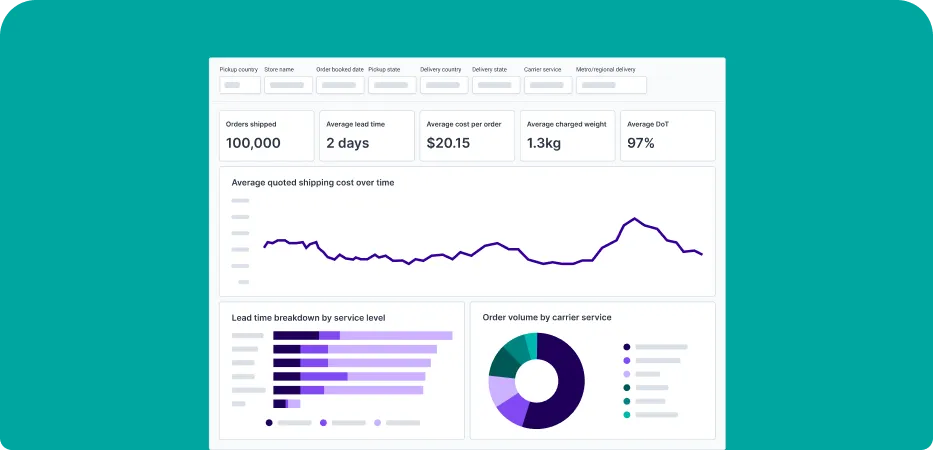
Shippit Data & Reporting provides retailers with a comprehensive analytics environment that transforms shipping and fulfilment data into actionable insights. It offers a 360‑degree view of delivery operations through dynamic dashboards, granular filtering, and raw data exports. By highlighting trends, costs, performance gaps, and optimisation opportunities, it empowers teams across operations, ecommerce, and finance to make consistently informed decisions that improve efficiency, reduce expenses, and elevate delivery performance.
Features
- Dynamic dashboards covering costs, allocations, freight dispersion, carrier performance, and fulfilment metrics.
- Drill‑down analytics with flexible filtering and customisation options.
- Raw data exports for deeper offline analysis or integration into BI tools.
- Benchmarking tools to compare carriers, service levels, and delivery outcomes.
- Automated identification of cost anomalies, misdeclared shipments, and surcharge risks.
- Insights into shipping lanes, order processing times, and transit performance.
Capabilities
- Providing complete visibility across the entire delivery lifecycle, from order creation to final delivery.
- Supporting data‑driven carrier negotiations with detailed cost‑to‑serve insights.
- Enabling teams to forecast performance and evaluate operational scenarios.
- Highlighting bottlenecks across fulfilment, pickup, and transit stages.
- Empowering ecommerce teams to analyse how shipping impacts SKU profitability.
- Offering finance teams precise cost breakdowns and simplified reconciliation workflows.
Benefits
- Reduced shipping expenses through targeted cost‑saving insights and optimisation opportunities.
- Improved delivery performance by identifying and resolving operational delays.
- Better collaboration across departments using unified, transparent delivery data.
- Enhanced customer satisfaction by proactively addressing delivery issues before they escalate.
- Greater decision‑making confidence backed by real‑time, data‑rich reporting.
- Stronger operational resilience through early detection of emerging trends and risks.