

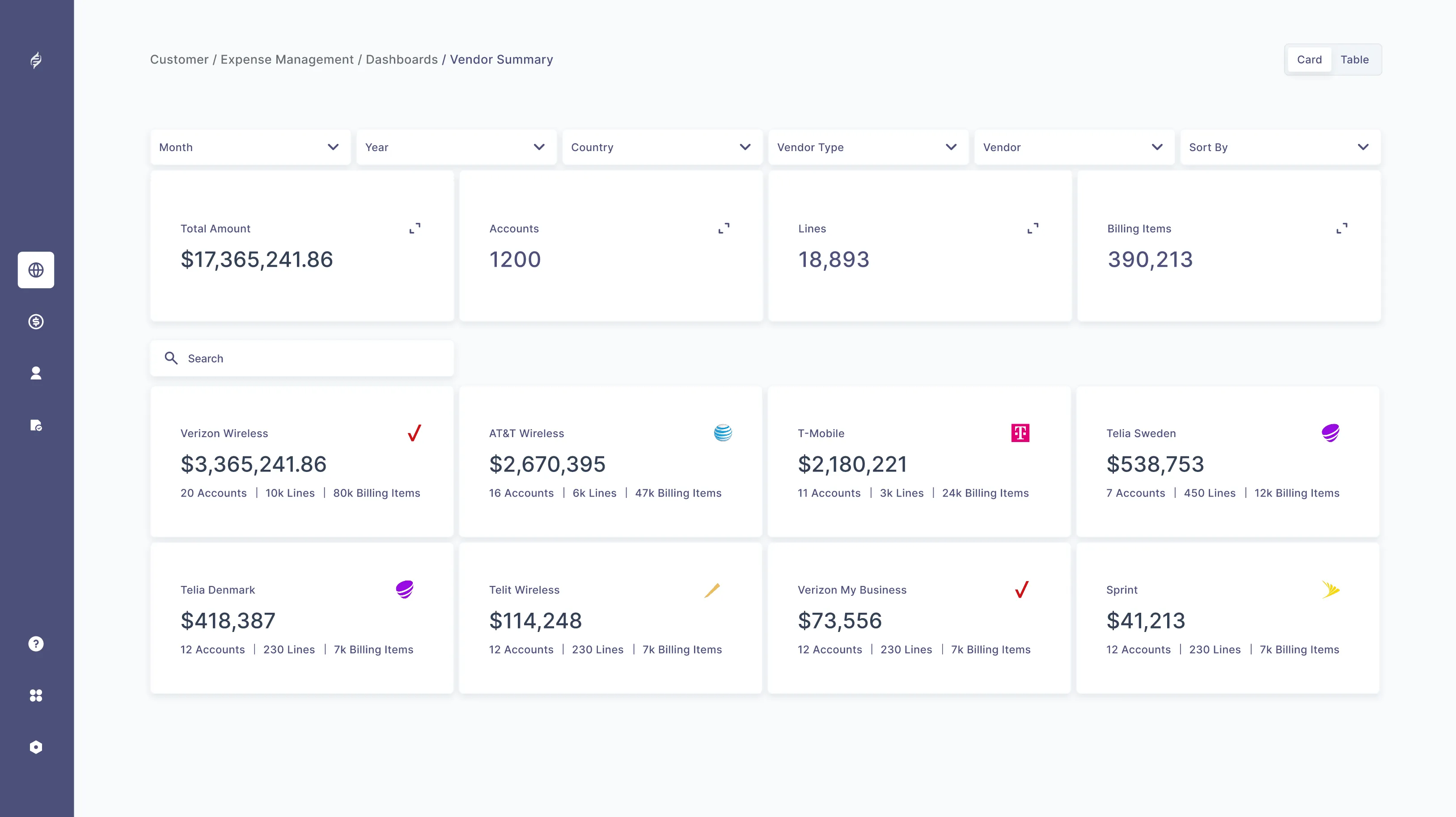
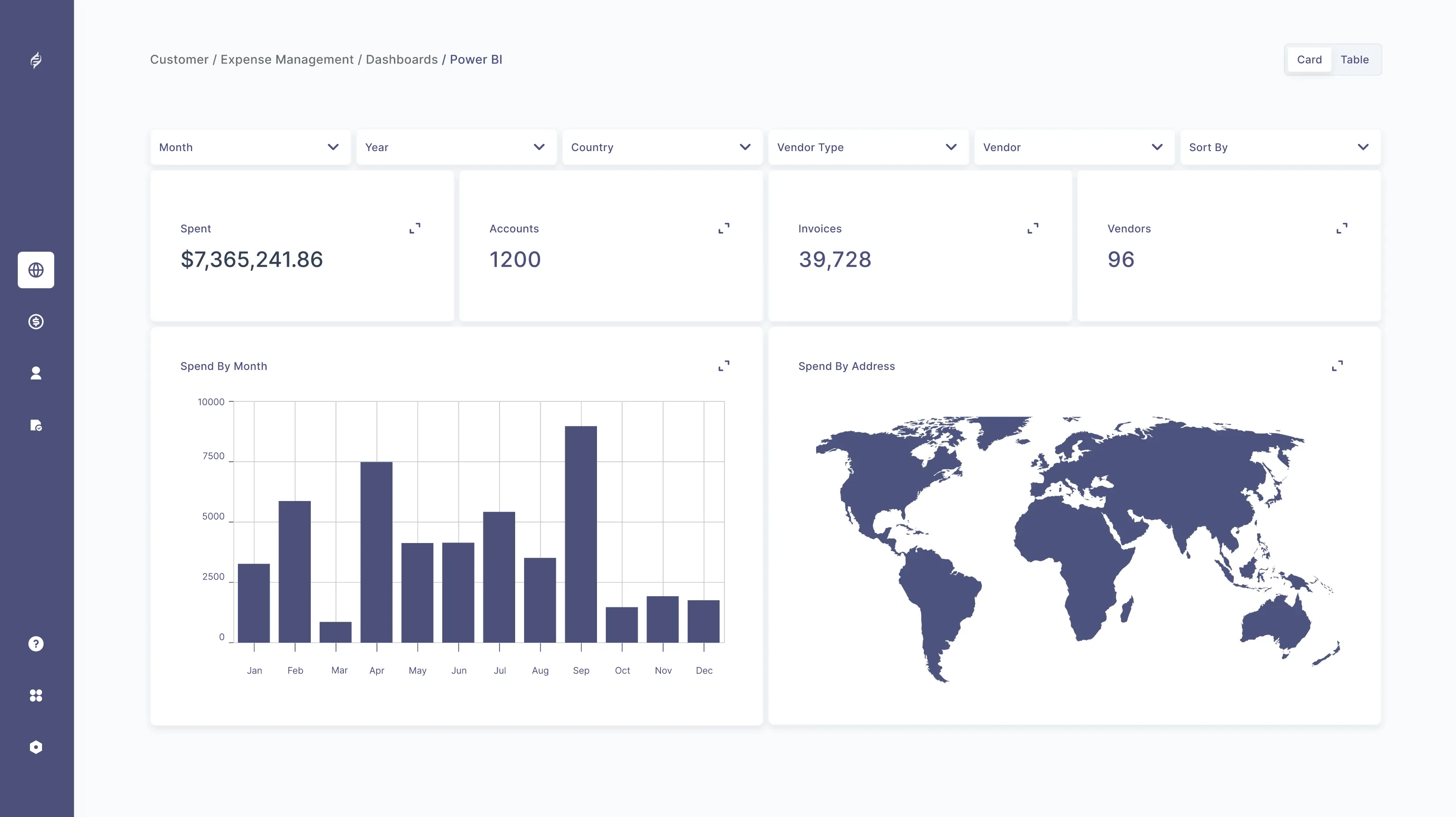
Asignet Cloud Expense Management enables organizations to control and optimize spending across multi‑cloud environments. The platform centralizes visibility into cloud usage, billing, and resource allocation, allowing teams to detect inefficiencies, avoid overspending, and improve governance.

Vendor
Asignet

Company Website
Cloud Expense Management
Asignet Cloud Expense Management enables organizations to control and optimize spending across multi‑cloud environments. The platform centralizes visibility into cloud usage, billing, and resource allocation, allowing teams to detect inefficiencies, avoid overspending, and improve governance. With automation, real‑time analytics, and policy‑driven controls, it ensures cloud investments align with business needs while reducing operational complexity and strengthening financial accountability.
Features
- Unified dashboard for multi‑cloud cost visibility and usage insights.
- Automated detection of underused or idle cloud resources.
- Budgeting tools with alerts for threshold breaches and anomalies.
- Resource tagging and allocation for departments, projects, and business units.
- Policy‑based optimization recommendations for cost and performance.
- Workflow automation for provisioning, rightsizing, and decommissioning.
Capabilities
- Analyze cloud consumption patterns to identify waste and inefficiencies.
- Provide real‑time reporting across public, private, and hybrid cloud environments.
- Support financial planning with accurate forecasting and spend modeling.
- Enforce governance and compliance through automated policy execution.
- Integrate with cloud provider APIs for continuous synchronization.
- Map cloud costs to teams and applications to improve accountability.
Benefits
- Reduced cloud overspend through automated optimization and visibility.
- Improved financial transparency for budgeting and chargeback models.
- Lower operational workload with automated lifecycle and provisioning workflows.
- Greater alignment between cloud usage and business priorities.
- Enhanced performance by rightsizing resources and eliminating waste.
- Stronger governance and reduced risk through policy‑driven management.